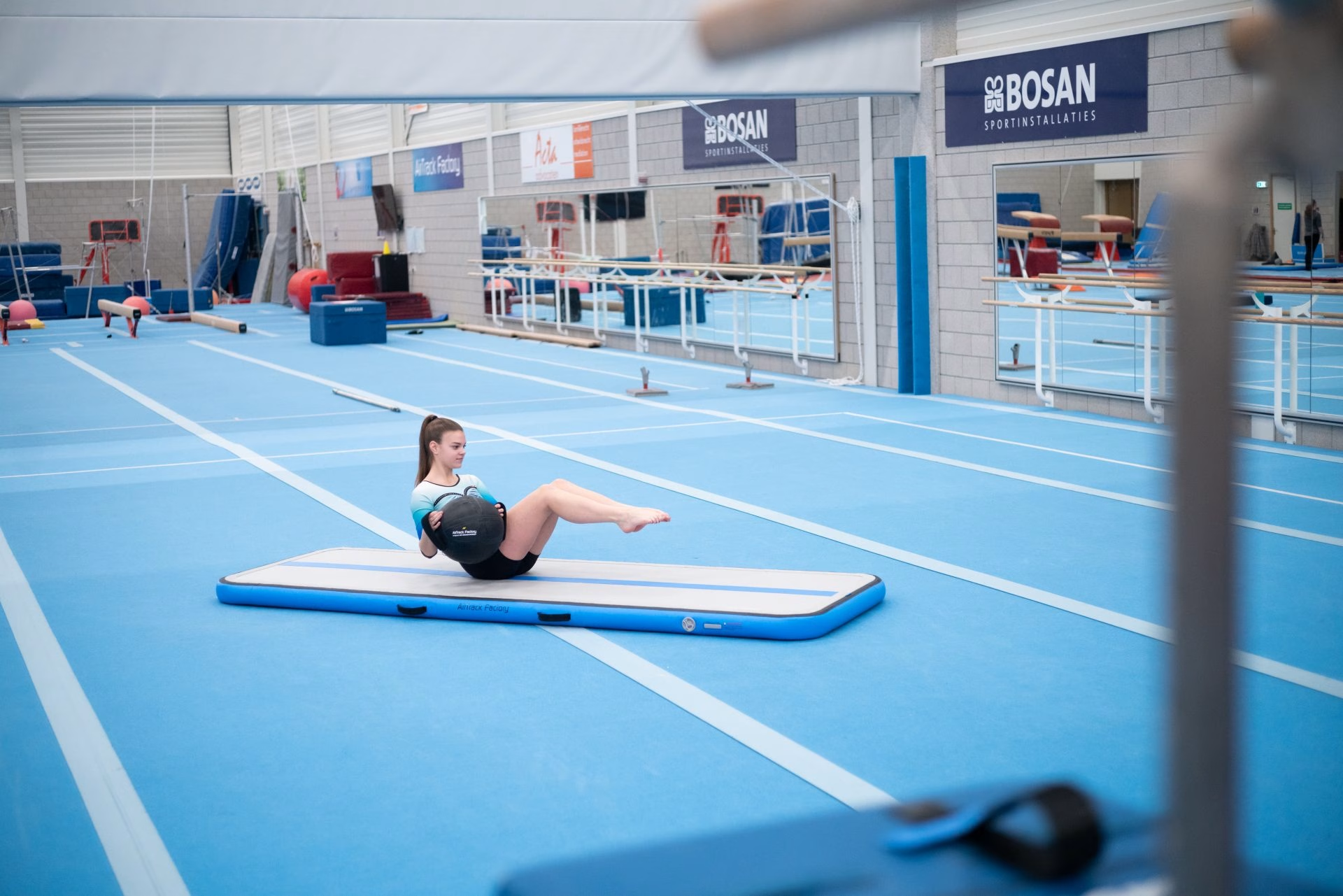
What is the best AirTrack in 2026?
The AirTrack has been a staple in gyms and training facilities for over a decade. While it has become a…
Welcome to Flip the System: Online Freerunning Education
“Flip the System” is a comprehensive video series designed to transform the way we teach and practice freerunning. Moving beyond the idea of just performing “tricks,” this series introduces a movement-based perspective where self-expression, safety, and personal growth take center stage.
Whether you are a physical education teacher, a sports coach, or an aspiring practitioner, these videos provide a structured yet creative approach to mastering the art of movement. From the foundational mechanics of vaults and the explosive power of flips to the rhythmic artistry of flow, “Flip the System” bridges the gap between technical skill and creative freedom. Dive in and discover how to turn every obstacle into an opportunity for growth.
Freerunning is more than just performing isolated tricks; it symbolizes self-expression, challenge, and freedom. While traditional physical education often focuses on rigid structure, freerunning gives young people the space to discover and push their own limits. This series teaches instructors how to offer a “movement perspective” rather than just coaching technical maneuvers.
Vaults shouldn’t be seen as isolated techniques with fancy names, but as natural reactions to obstacles, speed, or the urge for self-expression. The core message is that context determines content: the environment dictates which jump is most effective. For a teacher, this means creating the right challenge is more important than constant technical correction.
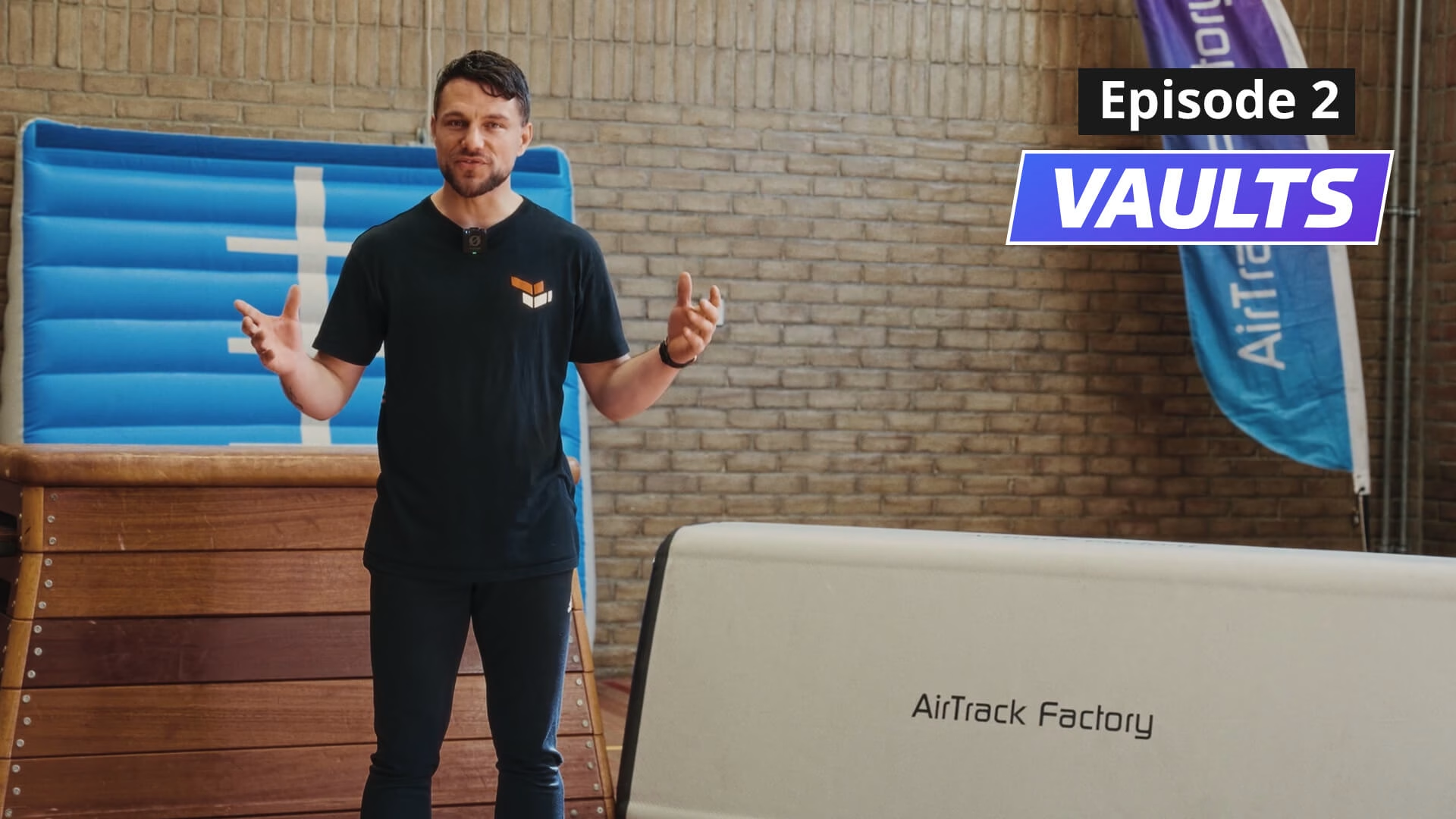
In freerunning, speed is not a trick—it is a result of mastery, repetition, and timing. Instead of focusing solely on technique, it is essential to practice with a logical progression from multiple contact points to few. The learning path moves from the Safety vault and Speedstep to the Regular and, ultimately, the Speed vault.
Spectacular long-distance jumps, such as the Monkey or Kong (Cat-pass), are taught safely through a structured level system. By building up in steps—from a line on the ground to jumping over an actual gap—athletes maintain their freedom within a safe framework. Mastery and control are the prerequisites for moving to the next level.
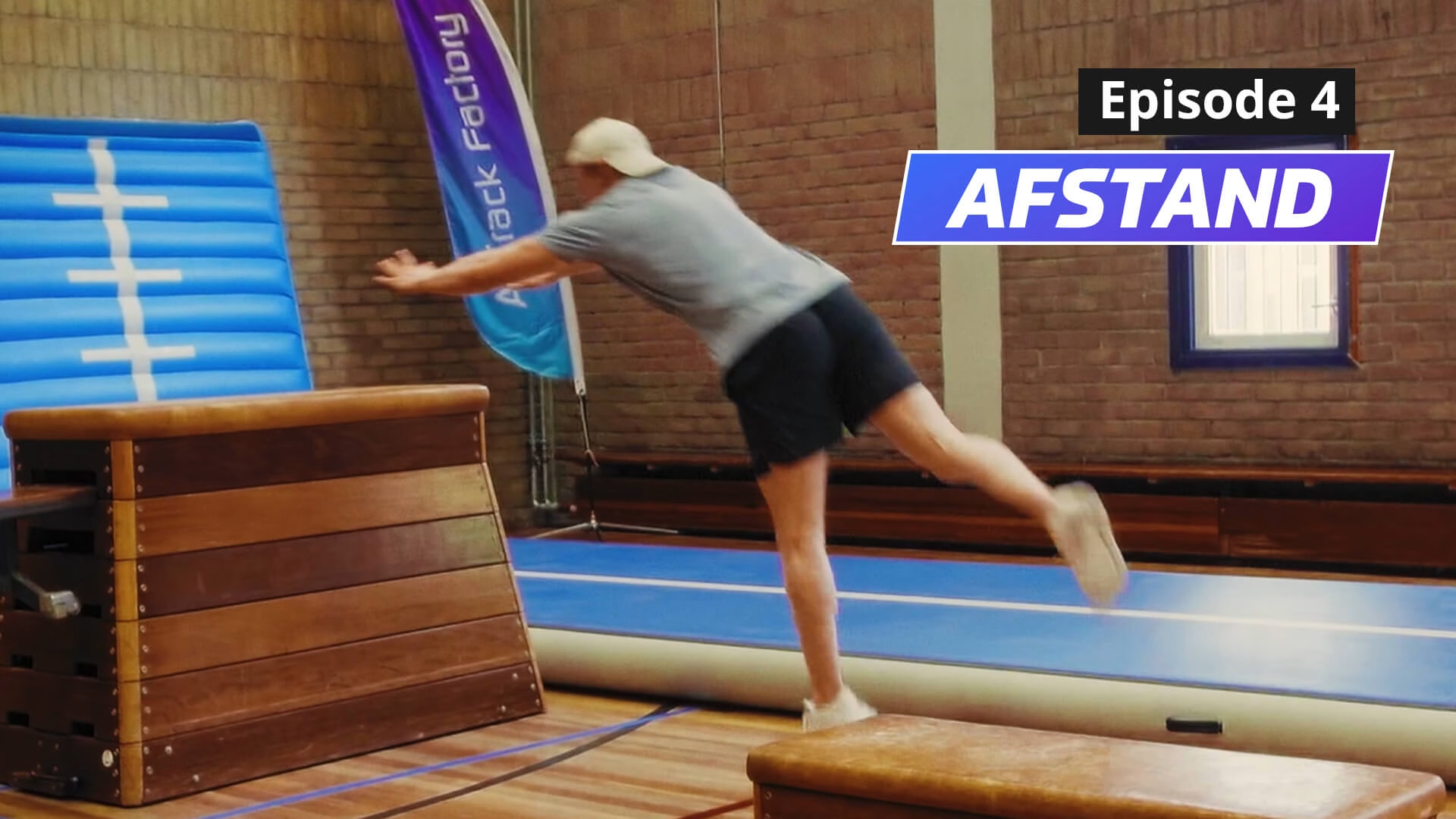
Not every movement is about speed or distance; creative vaults provide an entry point for athletes looking to develop their own style. Flow is about combining movements with rhythm and smooth transitions, such as spins and twists. By experimenting with direction and timing, a unique sense of movement freedom is born.
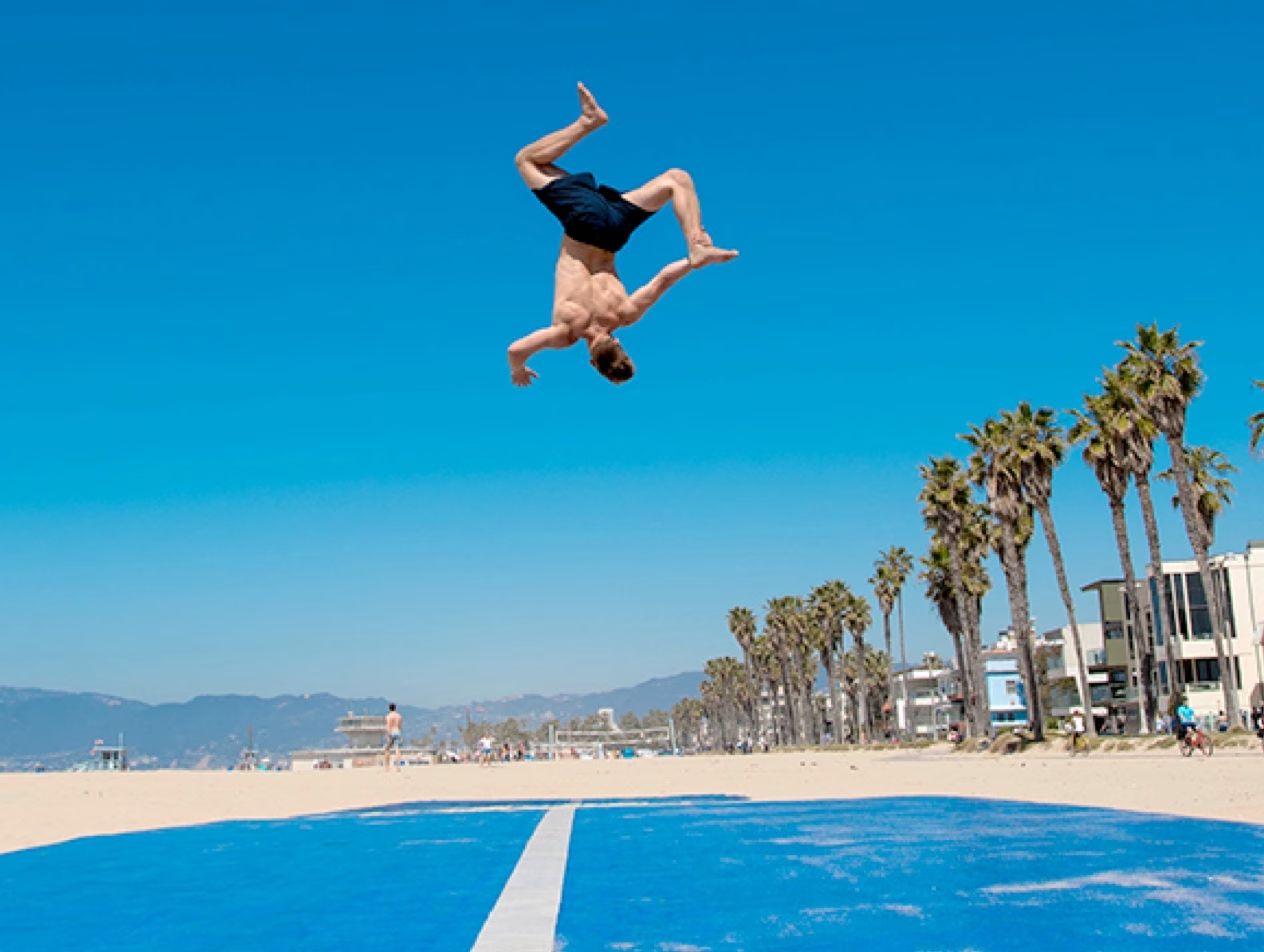
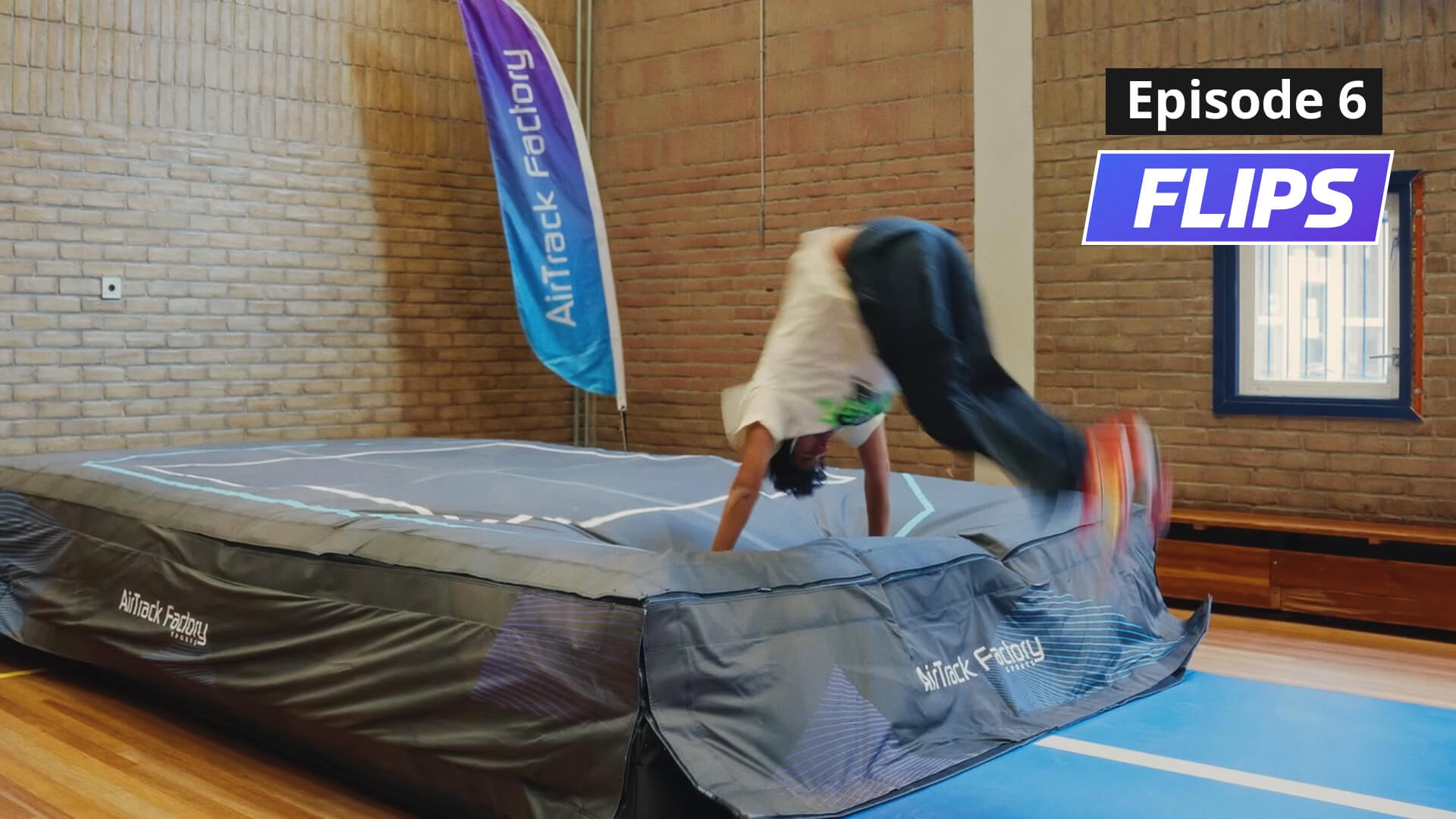
While flips are often a dream for athletes and a nightmare for teachers, they can be taught safely and independently with a thoughtful progression. The focus is on the core of every flip: the balance between vertical height and rotation speed. By training on solid or slightly springy surfaces instead of trampolines, athletes develop the necessary strength and body tension.
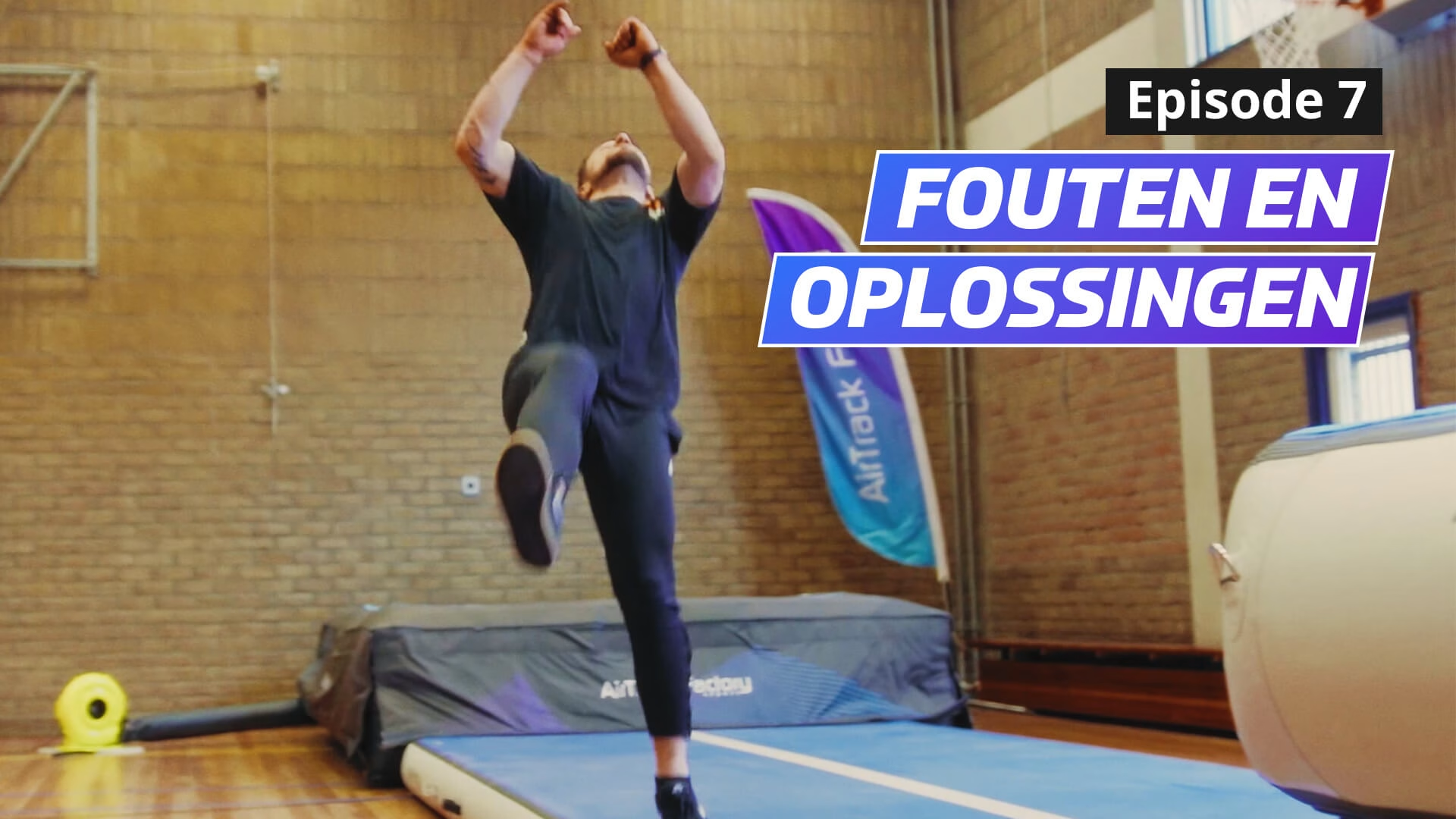
Flips usually fail not because of a lack of ability, but because of fear or a lack of technical insight. Common errors, such as insufficient height or “diving” into the rotation, can be solved by reflecting with the athlete on what is holding them back. The goal is to remove mental blocks so that the technical execution can take center stage again.
Once the basic flip is mastered, the adventure of building into unique tricks begins. By changing the take-off—such as with a Webster or Gainer—or by using the environment (e.g., Wallflips), a simple salto gains flair. Small adjustments allow athletes to personalize their flips and develop their own unique signature style.